People • life • ideas

Abdul Rahim Khan-i-Khanan Quotes

अब्दुर्रहीम ख़ानख़ाना

Poet

Abdul Rahim Khan-i-Khanan, popularly known as Rahim, was a poet during the reign of Mughal emperor Akbar. He was known for his Hindustani dohe and books on astrology.

20Published quotes

Explore ideasIntegrity

Abdul Rahim Khan-i-Khanan
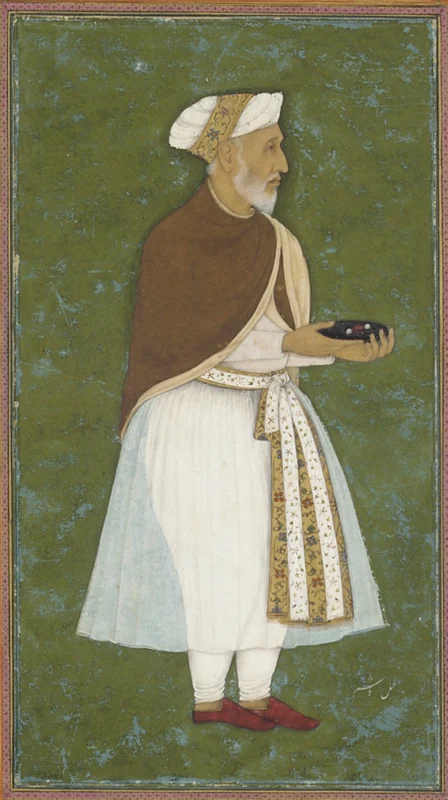
Abdul Rahim Khan-i-KhananHistorical painting · HashimWikimedia Commons · Public domainResized and converted; display may crop to fit.

The person behind the words

Life & biography

Abdul Rahim Khan-i-Khanan, popularly known as Rahim, was a poet who lived in India during the reign of Mughal emperor Akbar, who served as his mentor. The supplied biographical source describes Rahim as one of the nine important ministers in Akbar’s court, known as the Navaratnas.

Rahim was known for his Hindustani dohe (couplets) and books on astrology. Exact birth and death dates are not provided in the structured date fields supplied for this draft, so they are left unspecified.

Read further

Sources & references

Compare original references where historical accounts differ.

Keep exploring

Quotations to explore

Search this collection

Rahim’s numbered doha 56 in the 1926 Rahim-Kavitavali uses a literary comparison concerning knowingly ignoring right conduct.

Not rated yet · 0 ratings

In Rahim-Kavitavali, doha 26, the couplet contrasts the bonds that appear in prosperity with friendship revealed by adversity.

Not rated yet · 0 ratings

In Rahim-Kavitavali, doha 18, Rahim uses the Swati raindrop’s different effects as an image for how company shapes outcomes.

Not rated yet · 0 ratings

In this doha, Rahim contrasts worldly acceptance with spiritual attainment; it appears as doha 5 in the cited 1926 edition of Rahim-Kavitavali.

Not rated yet · 0 ratings

In doha 86 of the cited edition, Rahim compares trees and lakes with wise people who preserve their wealth for others’ benefit.

Not rated yet · 0 ratings

In Rahim-Kavitavali, doha 83, Rahim compares restoring goodwill with restringing a broken pearl necklace.

Not rated yet · 0 ratings

In Rahim-Kavitavali, doha 69, Rahim compares a person of noble nature to sandalwood that remains untouched by poison even when snakes coil around it.

Not rated yet · 0 ratings

Rahim’s numbered doha 60 in the 1926 Rahim-Kavitavali uses a literary comparison concerning helping those in need.

Not rated yet · 0 ratings

Rahim’s numbered doha 54 in the 1926 Rahim-Kavitavali uses a literary comparison concerning mutual support in friendship.

Not rated yet · 0 ratings

Rahim’s numbered doha 52 in the 1926 Rahim-Kavitavali uses a literary comparison concerning the value of small things.

Not rated yet · 0 ratings

In Rahim-Kavitavali, doha 51, Rahim contrasts the capacity of the great to forgive with the trouble caused by the small, invoking the literary tale of Bhrigu kicking Hari.

Not rated yet · 0 ratings

Rahim’s numbered doha 41 in the 1926 Rahim-Kavitavali uses a literary comparison concerning what cannot stay hidden.

Not rated yet · 0 ratings

Rahim’s numbered doha 38 in the 1926 Rahim-Kavitavali uses a literary comparison concerning identity and dependence.

Not rated yet · 0 ratings

Rahim’s numbered doha 34 in the 1926 Rahim-Kavitavali uses a literary comparison concerning meeting essential needs.

Not rated yet · 0 ratings

In Rahim-Kavitavali, doha 24, Rahim contrasts the changing fortunes of the wealthy with the livelihood of those who sell grass.

Not rated yet · 0 ratings

Rahim’s numbered doha 12 in the 1926 Rahim-Kavitavali uses a literary comparison concerning obstruction without service.

Not rated yet · 0 ratings

Rahim’s numbered doha 11 in the 1926 Rahim-Kavitavali uses a literary comparison concerning support in adversity.

Not rated yet · 0 ratings

Rahim’s numbered doha 4 in the 1926 Rahim-Kavitavali uses a literary comparison concerning righteous judgment and authority.

Not rated yet · 0 ratings

Our other brands

Add to a collection

Your collections are private. You can save a quote without creating a collection.

Create a private collection

Continue?
