People • life • ideas

Arthur Schopenhauer Quotes

आर्थर शोपेनहावर

Philosopher and writer

Arthur Schopenhauer was a German philosopher and writer, known for The World as Will and Representation. His work explored the will, aesthetics, morality, and psychology.

8Published quotes

Explore ideasRational Thought · Knowledge

Arthur Schopenhauer
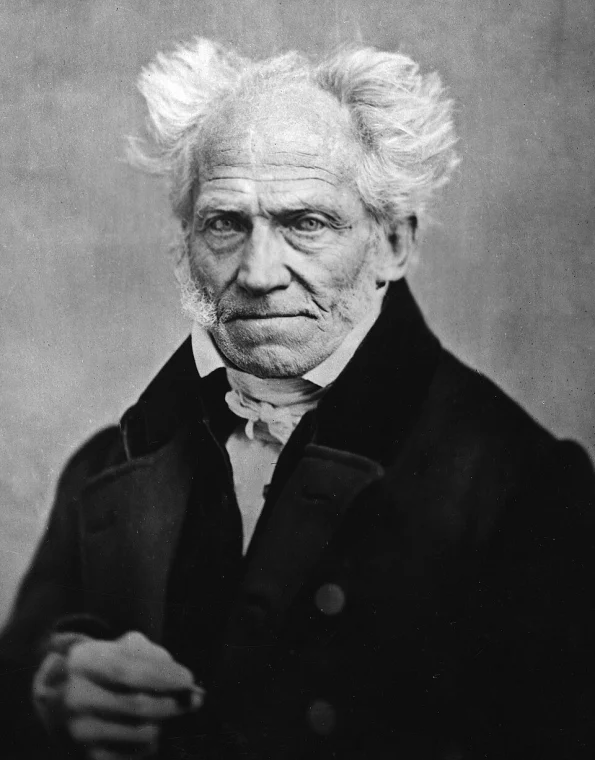
Arthur SchopenhauerSource portrait · Johann SchäferWikimedia Commons · Public domainResized and converted; display may crop to fit.

The person behind the words

Life & biography

Arthur Schopenhauer (22 February 1788–21 September 1860) was a German philosopher and writer. His work The World as Will and Representation appeared in 1818 and was expanded in 1844. It presents the phenomenal world as the manifestation of a blind and irrational noumenal will.

Building on Immanuel Kant’s transcendental idealism, Schopenhauer developed an atheistic metaphysical and ethical system that rejected contemporary German idealism. He also engaged with ideas from Indian philosophy, including asceticism, denial of the self, and the world as appearance. His writing on aesthetics, morality, and psychology had a posthumous influence across philosophy, literature, and science.

Read further

Sources & references

Compare original references where historical accounts differ.

Keep exploring

Quotations to explore

Search this collection

In The World as Will and Idea, Schopenhauer contrasts reason's practical and scientific use with a way of seeing he associates with artistic genius.

Not rated yet · 0 ratings

In this passage, Schopenhauer criticizes people who pursue the appearance of knowledge for personal gain rather than knowledge itself.

Not rated yet · 0 ratings

In this passage from Studies in Pessimism, Schopenhauer objects to street noise that he believes can obstruct intellectual work.

Not rated yet · 0 ratings

In this passage from Studies in Pessimism, Schopenhauer compares the shifting of opinion to a pendulum’s movement around a point of rest.

Not rated yet · 0 ratings

In this passage from Studies in Pessimism, Schopenhauer uses a stark rhetorical question to express his pessimistic view of the burden of existence.

Not rated yet · 0 ratings

In The World as Will and Idea, Schopenhauer distinguishes the conceptual contrast behind a witticism from the accidental shared wording behind a pun.

Not rated yet · 0 ratings

In The Wisdom of Life, Schopenhauer criticizes the social expectation of modest self-presentation, arguing that it can benefit those who lack qualities to distinguish themselves.

Not rated yet · 0 ratings

In Studies in Pessimism, Schopenhauer frames life as a task and treats death as its completion, reflecting his pessimistic philosophical outlook.

Not rated yet · 0 ratings

Our other brands

Add to a collection

Your collections are private. You can save a quote without creating a collection.

Create a private collection

Continue?
