People • life • ideas

Buddha (Siddhartha Gautama) Quotes

गौतम बुद्ध

Religious teacher

Buddha (Siddhartha Gautama) was a wandering religious teacher who lived in the eastern Indo-Gangetic Plains during the 6th or 5th century BCE and founded Buddhism. Buddhist tradition says he taught a Middle Way and established a monastic community.

10Published quotes

Explore ideasKnowledge

Buddha (Siddhartha Gautama)
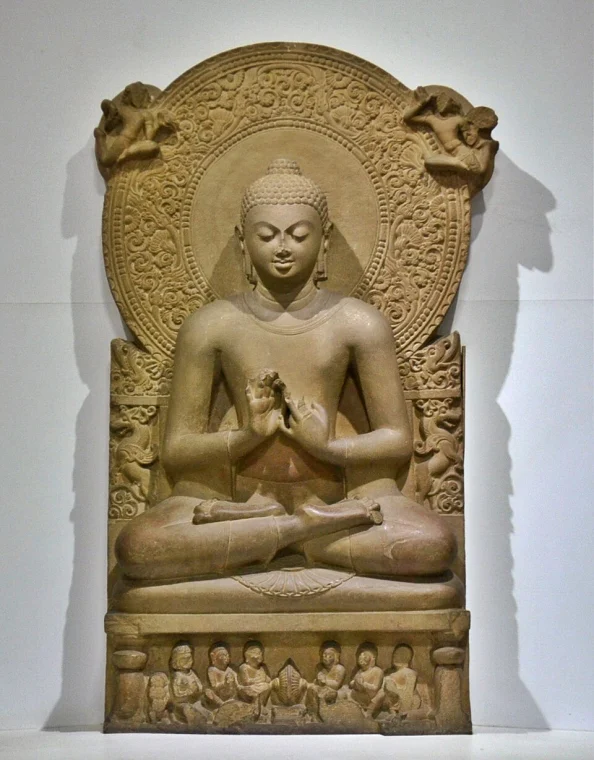
Buddha (Siddhartha Gautama)Source portrait · พระมหาเทวประภาส วชิรญาณเมธี (ผู้ถ่าย-ปล่อยสัญญาอนุญาตภาพให้นำไปใช้ได้เพื่อการศึกษาโดยอยู่ภา่ยใต้ cc-by-sa-3.0) ผู้สร้างสรรค์ผลงาน/ส่งข้อมูลเก็บในคลังข้อมูลเสรีวิกิมีเดียคอมมอนส์ - เทวประภาส มากคล้ายWikimedia Commons · CC BY-SA 3.0Resized and converted; display may crop to fit.

The person behind the words

Life & biography

Siddhartha Gautama, commonly known as the Buddha, was a wandering religious teacher in the eastern Indo-Gangetic Plains during the 6th or 5th century BCE. According to Buddhist legends, he was born in Lumbini to parents of the Shakya clan, left home to live as an ascetic, and attained nirvana at Bodh Gaya.

The source describes him teaching across the lower Indo-Gangetic Plain and building a monastic order. Buddhist tradition associates his teaching with the Middle Way, the Four Noble Truths and the Noble Eightfold Path. The source says he died in Kushinagar; precise dates are not established in the supplied material.
Read further

Sources & references

Compare original references where historical accounts differ.

Keep exploring

Quotations to explore

Search this collection

In verse 223 of the Dhammapada’s chapter on anger, the verse presents love, goodness, generosity and truth as responses to destructive behavior.

Not rated yet · 0 ratings

In Dhammapada verse 184, the translation presents patience and restraint from harming or insulting others as central to spiritual discipline.

Not rated yet · 0 ratings

In Dhammapada verse 183, this English rendering presents a concise summary of the teaching attributed to the Awakened.

Not rated yet · 0 ratings

In Dhammapada verse 103, victory over oneself is set above triumphing over many people in battle.

Not rated yet · 0 ratings

In Dhammapada verse 80, images of skilled craftspeople introduce the claim that wise people can shape themselves.

Not rated yet · 0 ratings

In Dhammapada verse 50, this translation turns attention from judging others toward noticing one's own conduct.

Not rated yet · 0 ratings

In Dhammapada verse 35, the translation presents the discipline of a restless mind as a source of happiness.

Not rated yet · 0 ratings

In Dhammapada verse 21, earnestness is contrasted with heedlessness as a path toward Nirvana and a state likened to death.

Not rated yet · 0 ratings

In verse 1 of the Dhammapada’s Twin-Verses, the image of an ox-cart wheel illustrates how harmful thought and action bring suffering in their wake.

Not rated yet · 0 ratings

Our other brands

Add to a collection

Your collections are private. You can save a quote without creating a collection.

Create a private collection

Continue?