People • life • ideas

Lala Lajpat Rai Quotes

लाला लाजपत राय

Nationalist leader and author

Lala Lajpat Rai was an Indian nationalist and writer associated with the Lal Bal Pal group. Known as Punjab Kesari, he advocated political self-rule and participated in public campaigns against colonial rule.

20Published quotes

Explore ideasIndependence · Rational Thought · Knowledge

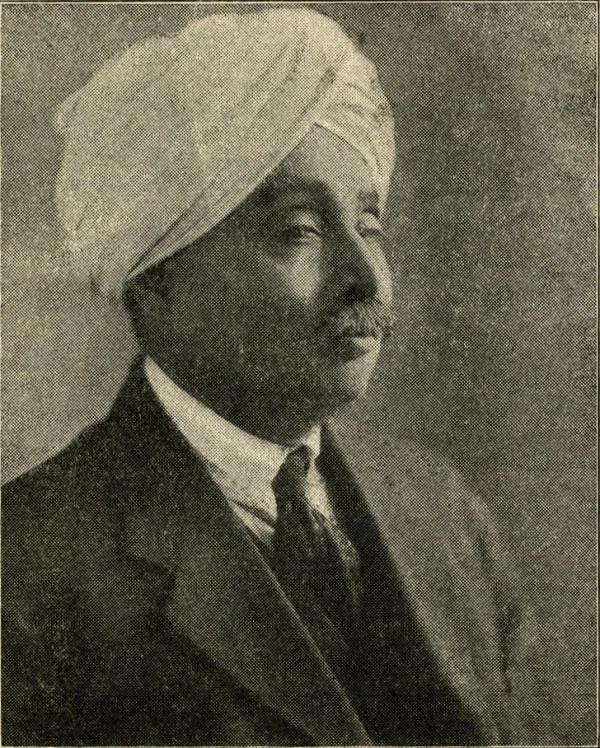
Lala Lajpat Rai
Lala Lajpat RaiSource portrait · Young IndiaWikimedia Commons · Public domainResized and converted; display may crop to fit.

The person behind the words

Life & biography

Lala Lajpat Rai was an Indian nationalist and writer associated with the Lal Bal Pal group. Known as Punjab Kesari, he advocated political self-rule and participated in public campaigns against colonial rule.

In Young India he explained the nationalist movement to readers outside India, placing political demands within a historical argument. His books preserve his own viewpoint and should be distinguished from the editorial forewords included in some editions.

He was injured during the 1928 protest against the Simon Commission in Lahore and died that year. His writing remains a source for studying the political language of the independence movement.

Read further

Sources & references

Compare original references where historical accounts differ.

Keep exploring

Quotations to explore

Search this collection

Lala Lajpat Rai writes in Young India. This passage belongs to the work's historical discussion; it should be read in that context rather than as a description of present-day society.

Not rated yet · 0 ratings

Lala Lajpat Rai writes in Young India. This passage belongs to the work's historical discussion; it should be read in that context rather than as a description of present-day society.

Not rated yet · 0 ratings

Lala Lajpat Rai writes in Young India. This passage belongs to the work's historical discussion; it should be read in that context rather than as a description of present-day society.

Not rated yet · 0 ratings

Rai presents the view that facing one’s own struggles may be preferable to remaining under another’s constant direction.

Not rated yet · 0 ratings

Lala Lajpat Rai is discussing the revolutionary movement in India during the First World War and alleged assistance from Germany.

Not rated yet · 0 ratings

After discussing India’s historical unity, Rai challenges fear of a possible division into separate political units.

Not rated yet · 0 ratings

This statement forms part of Rai’s argument that India had national continuity despite periods of political division.

Not rated yet · 0 ratings

Lala Lajpat Rai objects to comparisons between India’s political development and that of European countries in the twentieth century.

Not rated yet · 0 ratings

Rai challenges the claim that expressions of loyalty at the beginning of the war showed satisfaction with British rule.

Not rated yet · 0 ratings

Amid claims about loyalty and rebellion in India, Rai offers his assessment of the country’s political mood.

Not rated yet · 0 ratings

Discussing British rule in India, Rai connects the denial of fundamental rights with the growing difficulty of restraining the use of physical force.

Not rated yet · 0 ratings

In the preface to Young India, Lala Lajpat Rai addresses a possible objection to the book because it was written by an Indian.

Not rated yet · 0 ratings

Young India: Rai uses ninety-nine rhetorically in his colonial-era criticism of imperial bias; this is his judgment, not a verified statistical count.

Not rated yet · 0 ratings

Rai criticizes people who write or offer opinions about India despite having partial aims and perspectives.

Not rated yet · 0 ratings

At the beginning of Young India, Lala Lajpat Rai discusses how much people in Western countries know about India.

Not rated yet · 0 ratings

Our other brands

Add to a collection

Your collections are private. You can save a quote without creating a collection.

Create a private collection

Continue?