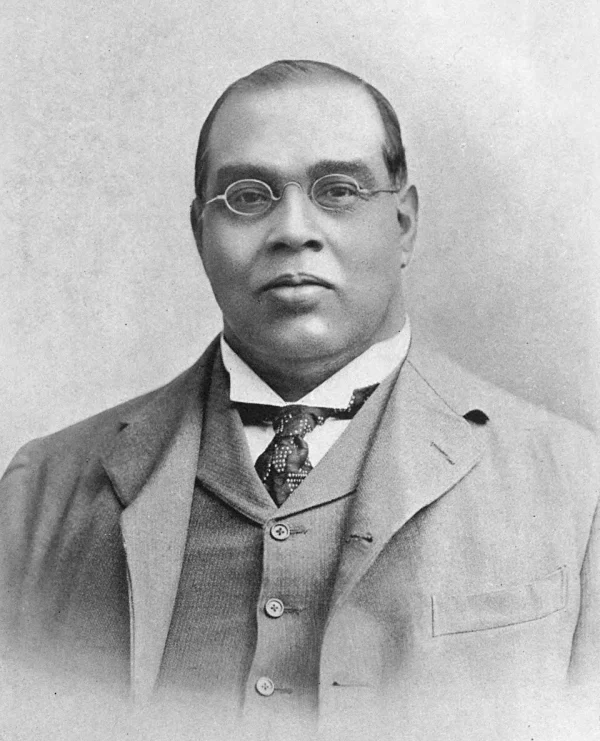
Romesh Chunder Dutt was an Indian civil servant, historian and writer. He contributed to debates about India's economic history and colonial administration.
Explore ideasKnowledge · Rational Thought · Conviction
RD
Romesh Chunder DuttSource portrait · Jnanendra Nath GuptaWikimedia Commons · Public domainResized and converted; display may crop to fit.
The person behind the words
Life & biography
Romesh Chunder Dutt was an Indian civil servant, historian and writer. He contributed to debates about India's economic history and colonial administration.
His History of Civilisation in Ancient India examines institutions, literature and religious traditions through the scholarship of his period. He also produced English verse adaptations of the Ramayana and Mahabharata; these must be distinguished from his original historical prose.
His historical arguments remain part of the development of Indian intellectual and economic nationalism. Their conclusions should be read alongside the evidence and later scholarship.
From the author's preface to The Economic History of India under Early British Rule. Dutt criticizes East India Company commerce and colonial revenue policy; this is his historical economic argument.
From the author's preface to The Economic History of India under Early British Rule. Dutt criticizes East India Company commerce and colonial revenue policy; this is his historical economic argument.
From the author's preface to The Economic History of India under Early British Rule. Dutt criticizes East India Company commerce and colonial revenue policy; this is his historical economic argument.
From the author's preface to The Economic History of India under Early British Rule. Dutt criticizes East India Company commerce and colonial revenue policy; this is his historical economic argument.
From the author's preface to The Economic History of India under Early British Rule. Dutt criticizes East India Company commerce and colonial revenue policy; this is his historical economic argument.
From the author's preface to The Economic History of India under Early British Rule. Dutt criticizes East India Company commerce and colonial revenue policy; this is his historical economic argument.
From the author's preface to The Economic History of India under Early British Rule. Dutt criticizes East India Company commerce and colonial revenue policy; this is his historical economic argument.
From the author's preface to The Economic History of India under Early British Rule. Dutt criticizes East India Company commerce and colonial revenue policy; this is his historical economic argument.